Furniture Removals in Ealing
Moving home or relocating a workplace can feel overwhelming, especially when you need everything handled safely, efficiently, and with minimal disruption. If you are looking for Furniture Removals in Ealing, you want more than a van and a few strong arms. You want a local team that understands the streets, the parking pressures, the housing mix, and the practical realities of moving bulky items in and around West London. Whether you are moving from a flat near Ealing Broadway, a family house in South Ealing, a period property in Northfields, or a business premises close to Acton, the right removals service makes the whole process far easier.
Furniture removal is about careful planning as much as physical lifting. Sofas, wardrobes, dining tables, beds, desks, sideboards, filing cabinets, and delicate items all need the right handling. A good local removals team helps protect your furniture, your walls, and your time. For many customers in Ealing, that also means working around stairwells, tight hallways, controlled parking zones, busy roads, and apartment blocks with limited lift access.
Our furniture moving service is designed to support both residential and commercial customers who need dependable help with single items, full-house contents, office furniture, or specialist pieces. From careful disassembly and wrapping to loading, transport, and placement at the destination, the focus is on making the move smoother from beginning to end. If you need a service that fits the local area and the way people really move here, you are in the right place.
Why Local Furniture Removals Matter in Ealing

Choosing a local team for furniture removals in Ealing offers real practical advantages. Ealing is a large, varied part of West London with busy high streets, residential roads, conservation areas, mansion blocks, converted Victorian houses, and modern apartment developments. Each of these brings different access issues, and each move needs a slightly different approach. A team that regularly works in the area is more likely to understand where parking is tight, where loading access is limited, and how to keep a move moving without unnecessary delays.
Local knowledge is especially helpful when dealing with timing. Many parts of Ealing are busy at peak times, and some properties are harder to access because of shared entrances, narrow staircases, or permit-controlled bays. A locally experienced removals crew can plan around these realities, reducing stress on moving day. This is useful whether you are moving a few bulky pieces from one flat to another or relocating the entire contents of a family home.
For customers comparing furniture moving companies, convenience matters too. A local service often means quicker response times, easier scheduling, and better understanding of the area’s layout. That can make a big difference if you are trying to coordinate with landlords, estate agents, office managers, or building supervisors. Local expertise is not a luxury; it is often what keeps the move efficient and well-organised.
Furniture Removals for Homes and Businesses
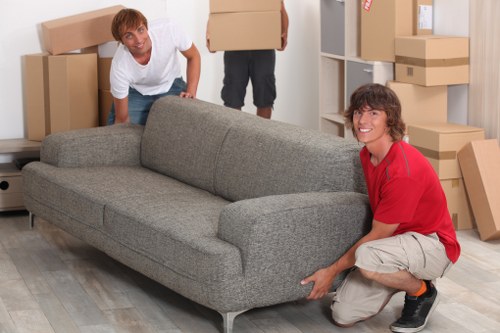
Furniture removal needs in Ealing are rarely one-size-fits-all. Some customers need help shifting a single heavy wardrobe from one floor to another. Others need a full property cleared and moved across West London. We also see regular demand from businesses, landlords, letting agents, and property managers who need commercial furniture moved with care and minimum interruption.
Home moves may involve sofas, beds, mattresses, bookcases, dressers, wardrobes, dining sets, garden furniture, TV units, and fragile decorative items. In family homes, it is common for furniture to need dismantling before it can safely pass through hallways or staircases. In flats, the challenge may be lift access, loading restrictions, or the need to protect communal areas during the move.
Commercial furniture removals often include office desks, chairs, meeting tables, storage units, reception furniture, and equipment that needs secure handling. Businesses in Ealing may need moves scheduled outside peak hours or timed carefully to avoid unnecessary downtime. Whether domestic or commercial, the aim is the same: protect the furniture, keep the process organised, and deliver a smooth transition.
What the Service Can Include
A professional furniture removals service is usually much more than transport alone. Depending on what you need, the service can include a range of practical steps that reduce stress and help keep everything safe. Customers often appreciate knowing exactly what can be handled before the move begins.
- Collection and delivery of furniture items
- Careful lifting and manoeuvring through homes, flats, and offices
- Disassembly and reassembly of suitable furniture
- Protective wrapping for items that need extra care
- Loading and secure transport in the vehicle
- Placement of furniture in the correct room at the destination
- Help with bulky, awkward, or heavy pieces
- Support for single-item moves or larger relocation jobs
If you have items that are unusually heavy, valuable, fragile, or difficult to move, it is worth discussing them in advance. That allows the team to plan the right number of people, the correct vehicle size, and any special handling needed for safe transport.
Many customers choose a furniture removals service because it reduces risk. Trying to move a wardrobe, sofa, or large table without enough help can lead to damage, injury, or delays. A well-organised team brings the practical experience needed to do it properly, which can save time and hassle.
How Furniture Removals in Ealing Usually Work

Every move is different, but the process usually follows a clear sequence. That makes it easier for you to prepare and helps the move go as smoothly as possible. If you are arranging furniture removals in Ealing, it helps to know what to expect from the start.
The first step is usually to discuss the items you need moved, the collection and delivery locations, and any access issues. This may include stairs, lift use, parking restrictions, or items that need dismantling. Once the move is understood, the team can plan the right approach and estimate the level of support required. Good planning is often the difference between a stressful day and a straightforward one.
On the day, the team arrives prepared to assess the access, protect the items where needed, and begin loading safely. Furniture is then transported and unloaded at the destination, with items placed in the right rooms where possible. If reassembly is part of the service, this is typically done once the furniture has been moved in. For many customers, the appeal is simple: one organised service from start to finish.
Typical stages in the move
- Discuss your furniture and access needs
- Plan the vehicle, manpower, and timing
- Prepare items for safe movement
- Load furniture carefully and securely
- Transport items to the destination
- Unload and place furniture as requested
- Reassemble items if required
Common Furniture Items We Help Move

Furniture comes in many shapes and sizes, and each item presents its own challenges. Some pieces are straightforward to move, while others need extra care because of weight, size, material, or delicate finishes. In Ealing, many homes contain a mix of modern furniture and older, more substantial pieces, especially in period houses and larger family properties.
Examples of commonly moved furniture include:
- Sofas, corner sofas, armchairs, recliners, and sofa beds
- Beds, bed frames, headboards, and mattresses
- Wardrobes, chest of drawers, dressing tables, and bedside units
- Dining tables, chairs, sideboards, and display cabinets
- Office desks, task chairs, storage cupboards, and shelving
- TV stands, coffee tables, console tables, and bookcases
- Outdoor furniture, patio sets, and garden benches
- Heavy or awkward specialist pieces that need careful handling
Some furniture can be moved as it is, while other items may need to be dismantled first. This is often the case with large wardrobes, modular beds, and certain office desks. Careful disassembly can reduce the risk of damage and make the move far easier in narrow hallways or stairwells.
Helpful note for customers
Measure first where possible. Checking doorways, staircases, and access routes before the move can prevent last-minute problems, especially in older Ealing properties where dimensions can be tighter than expected.
Access, Parking, and Property Challenges in Ealing

One reason people specifically look for a local removals team is the practical challenge of getting furniture in and out of properties in the area. Ealing includes a wide range of housing types, and each presents different moving conditions. Ground-floor flats may be simple to access but tricky to park near. Upper-floor apartments may have lifts but narrow corridors. Larger houses may offer better entry points but require careful manoeuvring through internal staircases and protected flooring.
Parking is another common issue. In parts of Ealing, parking bays may be controlled, limited, or shared. That can affect where a vehicle can stop and how far furniture must be carried. A team used to working locally can help plan around these difficulties and make the loading process more efficient. That is especially useful if you are moving on a weekday, during school-run periods, or in an area with heavy traffic flow.
Common access challenges include narrow staircases, low ceilings, tight corners, long internal corridors, communal entrances, and limited lift availability. A professional approach takes these into account before lifting begins. This reduces the risk of damage to furniture, walls, and flooring, while also helping the move stay on schedule. Local experience matters because it allows the team to work with the property rather than against it.
Preparing for Your Furniture Move
Good preparation can make your furniture removal easier and more efficient. Even if the removals team is handling the lifting and transport, there are simple steps you can take beforehand to help things run smoothly. If you are booking furniture removals in Ealing, a little preparation can save time on the day and reduce the chance of avoidable problems.
Start by identifying exactly what needs to be moved. Group items by room and note anything that is fragile, unusually heavy, or difficult to dismantle. It is also helpful to measure the largest items and check the access at both ends of the move. If you live in a flat, let your building manager or concierge know the move date if required. For office removals, inform staff in advance so important items are packed or cleared away properly.
Preparation checklist:
- Confirm which furniture items are being moved
- Measure large furniture and key access points
- Clear pathways and remove loose obstacles
- Empty drawers, cupboards, and shelving where appropriate
- Protect fragile items separately if needed
- Reserve or check parking arrangements in advance
- Label items or rooms if helpful for delivery
- Identify anything requiring dismantling or special handling
If you are unsure how much needs to be prepared, it is often best to ask before the move. The more the team knows in advance, the easier it is to plan effectively and avoid delays.
What Affects the Price of Furniture Removals?
Many customers want to know what influences the cost of a furniture removal job. While exact pricing depends on the specific move, there are a number of common factors that shape the final quote. Understanding these can help you compare services fairly and choose the right option for your needs.
Typical pricing factors include the volume and type of furniture, the distance between collection and delivery, the level of access at each property, whether items need dismantling and reassembly, and how many people are needed to complete the job safely. Moves involving stairs, difficult parking, or heavy specialist items may require more time and manpower, which can affect the quotation.
Other factors may include whether you need same-day support, whether the move is residential or commercial, and whether any additional handling is required for delicate pieces. Clear information leads to a clearer quote. If you want an accurate estimate, it helps to provide as much detail as possible about the furniture, the properties, and the route between them.
Useful details to share when requesting a quote
- What furniture needs moving
- Collection and delivery postcodes or general locations
- Floor level and lift availability
- Parking or loading restrictions
- Need for dismantling or reassembly
- Any fragile, bulky, or valuable items
- Preferred date or time window
Request a free quote when you are ready, and make sure the details are as complete as possible. That helps you receive a realistic estimate and choose the right service for the job.
Why People Choose a Local Company for Furniture Removals in Ealing
When people look for a removals service, they are often choosing between several options. A local company can be a smart choice because it usually brings a more personalised, practical approach. In an area like Ealing, where property layouts and access conditions vary so much, that local understanding can make the service noticeably easier to use.
Customers often value the ability to speak plainly about what needs moving without having to explain the area from scratch. A local team is more likely to understand the practical side of moving in and around Ealing, including residential roads, flats above shops, and business premises near busy transport routes. That can lead to better planning, smoother scheduling, and fewer surprises on moving day.
There is also peace of mind in choosing a service that handles furniture carefully and communicates clearly. If you are moving from a rental flat, a long-term family home, or an office environment, you want the process to feel organised. Local furniture removals are often the right fit for customers who want practical support that feels responsive and grounded in the area.
Areas Covered Around Ealing
Ealing is surrounded by a number of nearby areas where furniture removals are commonly needed. Customers often require collection or delivery across West London, and a local team can usually support moves in nearby neighbourhoods as part of the same service area.
Areas commonly covered may include:
- Ealing Broadway
- South Ealing
- Northfields
- West Ealing
- Hanwell
- Acton
- Gunnersbury
- Perivale
- Greenford
- Brentford
- Chiswick
- Notting Hill and other nearby West London routes where applicable
This flexibility is useful for people who are moving between districts, shifting furniture into storage, or coordinating with another property elsewhere in the borough. If your move starts in Ealing and ends a short distance away, local removals support can keep the journey straightforward and efficient.
Residential Moves: Practical Support for Ealing Homes
Residential furniture removals are one of the most common reasons customers seek help. Home moves can feel especially stressful when large furniture pieces are involved, particularly if you live in a townhouse, mansion block, converted property, or apartment building with shared access. In these situations, careful handling is essential.
Many households need help with more than one item. A move might include bedroom furniture, a dining set, lounge items, and a few awkward extras such as mirrors, shelving, or a home office desk. Parents often want the process to be quick and orderly so family life is disrupted as little as possible. Older residents may simply want help moving heavy items without taking on physical strain. A well-run service should be adaptable to all of these needs.
If you are moving within Ealing or to another nearby area, it is worth thinking about the sequence of furniture placement. Knowing which items should go into which rooms can save time once everything arrives. It can also help if the team can position heavy pieces where you want them before smaller items are unpacked around them.
Office and Commercial Furniture Removals
Businesses in Ealing also rely on furniture removals when changing premises, reorganising workspace, or clearing surplus items. Offices, studios, clinics, and retail units all have furniture that needs careful handling. In commercial settings, timing and efficiency are especially important because downtime can affect daily operations.
Commercial furniture moving may involve workstations, conference tables, filing cabinets, shelving, reception furniture, and storage units. Some businesses only need a few items moved, while others require a structured relocation of a full office floor. Either way, the service should be planned to reduce interruption, protect equipment, and allow staff to resume work quickly.
For landlords and property managers, furniture removals can also support changeovers between tenancies or help prepare a property for new occupants. In these cases, punctuality and care are essential. Clear communication about building access, loading areas, and item lists makes the whole process easier for everyone involved.
Tips for a Smoother Moving Day
Moving day tends to go best when small details are handled before the team arrives. While a removals crew can manage the heavy lifting, there are a few steps you can take to make the day more efficient and reduce avoidable stress. These are especially useful in Ealing, where local access conditions can vary from street to street.
Practical moving-day tips:
- Keep pathways clear for safe lifting and movement
- Make sure keys, access fobs, or building entry arrangements are ready
- Separate items that are not being moved
- Keep small loose fittings, screws, and accessories together
- Protect floors or walls if your property needs extra care
- Be ready to point out fragile or awkward items before loading starts
- Allow extra time if the property has difficult access or parking constraints
It is also sensible to be realistic about the size of the job. If a piece of furniture is very heavy, awkward, or valuable, it is usually better to mention that early rather than leave it until the last minute. A proper plan supports a safer, smoother move.
Making the job easier for everyone
Most removals run more smoothly when customers and the moving team share the same information. If you know about a tight staircase, a loading bay limitation, or a furniture item that has already been partially dismantled, tell the team in advance. That helps the job begin with fewer surprises and better preparation.
Frequently Asked Questions
Below are some common questions people ask before booking furniture removals in Ealing. These answers can help you decide what kind of service you need and how to prepare.
Can you move just one or two items?
Yes. Many customers only need help with a single heavy item, such as a sofa, wardrobe, bed frame, or dining table. Single-item moves are common and can be arranged without booking a full property removal.
Do furniture removals include disassembly?
They often can, depending on the items involved and the level of service arranged. Large wardrobes, beds, and some office furniture may need to be dismantled before moving and reassembled after delivery.
What if I live in a flat with stairs or no lift?
This is very common in Ealing. A local removals team can work with stair access, but it is important to mention this when requesting a quote so the right support can be planned.
Can you help with business furniture as well as home furniture?
Yes. Many removal services support both residential and commercial customers. Office desks, chairs, storage units, and meeting furniture are all typical commercial items that may need moving.
How far in advance should I book?
It is sensible to book as early as possible, especially if you have a preferred date or time. However, shorter-notice bookings may also be possible depending on availability and the size of the job.
What should I do if my furniture is fragile or valuable?
Tell the removals team in advance. Fragile finishes, glass components, antiques, and specialist pieces often need extra wrapping, careful handling, or specific loading positions in the vehicle.
Ready to Arrange Furniture Removals in Ealing?
If you need a reliable way to move furniture without the hassle of doing it yourself, a local service can make all the difference. From a single bulky item to a full property move, Furniture Removals in Ealing should be handled with care, planning, and a good understanding of the local area. That means more than just getting items from A to B; it means helping your move feel manageable from start to finish.
Whether you are relocating from a flat, a house, an office, or a mixed-use property, the right removals support can save time and reduce strain. If you are comparing options, look for a team that asks the right questions, takes access seriously, and is willing to work around the realities of your property and schedule.
Contact us today to discuss your move, request a free quote, or book your service now. With the right local support, moving furniture in Ealing can be far more straightforward than you might expect.