Northfields removals parking rules near Northfields Station
Posted on 14/07/2026
Northfields removals parking rules near Northfields Station: a practical guide for smoother moving day planning
If you are moving around Northfields Station, parking is rarely the glamorous part of the day, but it can make or break the whole operation. One awkward pause, one blocked bay, or one missed permission notice and suddenly the schedule slips, the neighbours get annoyed, and the van is circling with nowhere sensible to stop. That is why understanding Northfields removals parking rules near Northfields Station matters so much before moving day arrives.
This guide explains what usually affects parking, how removals work in a busy station area, and what you can do to keep things calm and efficient. It is written for real moving situations: flats with tight access, streets with limited waiting, and those moments where everyone is carrying boxes while checking the clock. Bit stressful? Yes. Manageable? Absolutely, if you plan properly.
We will also cover practical best practice, a simple step-by-step approach, common mistakes, and a realistic example of how a move near the station can be handled sensibly. If you are researching broader moving support too, you may find our services overview useful, or our page on removals in Ealing for a wider look at local moving help.
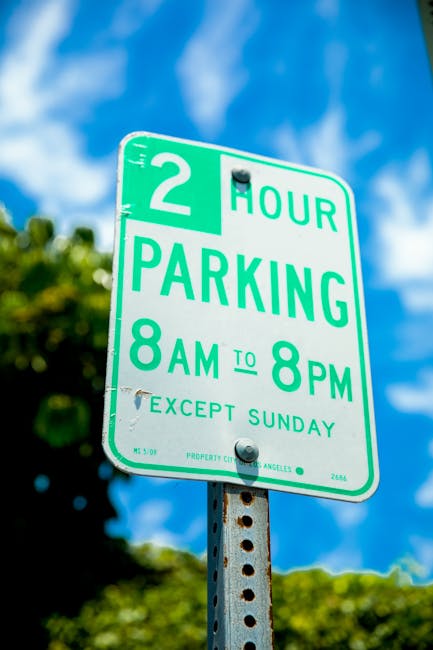
Why Northfields removals parking rules near Northfields Station Matters
Parking near a station is different from parking on a quiet residential street. Around Northfields Station, you are dealing with a mix of commuter demand, local traffic movement, narrower roads in some spots, and residents who already have to work around a fairly busy pattern of cars, buses, and foot traffic. For a removals team, that means the vehicle cannot always just stop where it is convenient.
In practical terms, the parking arrangement affects three things straight away: how quickly the van can load or unload, whether access remains safe for people walking past, and whether the move is likely to stay within the planned time slot. If the driver has to park further away than expected, carry distances grow, and the whole day can get longer. Not ideal when you are paying for a crew by the hour or trying to hand over keys at a fixed time.
There is also the neighbour angle. A removal vehicle parked awkwardly outside a property near the station can easily block sight lines, entrance points, or passing room for other road users. Nobody wants to be "that move" on the street, the one people still mention at the parade shop a week later. Truth be told, moving days are noisy enough without making parking the main event.
If you are just settling into the local area, you may also enjoy reading about living in Ealing from a resident perspective or this broader look at why Ealing is such a strong place to live. Those articles give useful background on the area itself, which helps when planning a move.
How Northfields removals parking rules near Northfields Station Works
The short version is this: removals near Northfields Station usually need more planning than a standard suburban move. You need to think about where the van can stop, whether it can wait there, whether the space is already controlled by local parking restrictions, and how long the crew will need on site.
There are a few common scenarios:
- Controlled bays or permit streets: these often require a permit, visitor permission, or timed parking that needs checking before the move.
- Pay-and-display or shared-use spaces: these can sometimes work for short stops, but removals often need more time than a normal parking session allows.
- Double-yellow or clearway areas: stopping here is generally not suitable for a removal vehicle, especially if the van would cause obstruction.
- Private forecourts, driveways, or loading access: great when available, but not always realistic near station-side properties.
The main idea is simple enough: the van must be positioned legally, safely, and in a way that gives the team enough working space. If access is tight, a smaller vehicle or a different unloading plan may be better. That is where a local operator with experience in busy Ealing streets becomes genuinely useful.
Another thing people often miss is timing. A move that starts mid-morning may be easier than one starting during commuter-heavy periods, especially if the street near the station is already full. The first ten minutes can determine the mood of the entire day. A little dramatic, maybe, but not wrong.
Key Benefits and Practical Advantages
When the parking side is handled properly, the whole removals job becomes smoother. You are not fighting the road, the van, and the clock all at once. That is the real advantage here.
- Less delay: the crew can start loading or unloading without long walks between the van and the door.
- Safer handling: fewer rushed lifts, fewer carrying errors, and better control around pavements and entrances.
- Lower stress: everyone knows where the vehicle will be and how the day will run.
- Better neighbour relations: fewer blocked drives, fewer awkward apologies, and less chance of complaints.
- More efficient pricing: a well-planned stop reduces wasted time, which is especially helpful on tighter schedules.
There is also a less obvious benefit: parking planning gives you confidence. When the van arrives, you are not scrambling for a fallback option or trying to guess whether the driver can legally wait where you have stood with boxes for the last twenty minutes. You already know the plan. That feels good, and on moving day, small certainties matter.
If you are comparing move types, our pages on flat removals in Ealing and house removals in Ealing can help you think through the access issues that often go hand in hand with parking.
Who This Is For and When It Makes Sense
This topic matters most if your move involves any of the following:
- Flats or maisonettes near Northfields Station
- Older terraced streets where parking spaces are limited
- Moves involving furniture that needs to be carried quickly from door to van
- Students, renters, or homeowners on a tight handover schedule
- Anyone booking a man and van or full removals service in a busy part of Northfields
It is also relevant if you are moving during a busy time of year. Summer weekends, end-of-month dates, and school holiday periods often make parking pressure worse, even when the street looks calm at first glance. That calm can be misleading. By 8:30 in the morning, the usual commuter rhythm has already changed the picture.
Commercial moves, small office relocations, and deliveries for new tenants can also benefit from parking planning. If the move involves heavier items, such as safes, desks, or specialist furniture, the parking position becomes even more important because the carry route needs to be short and safe. For those situations, services such as office removals in Ealing or piano removals in Ealing may be more appropriate than a basic van-only arrangement.
Step-by-Step Guidance
Here is a practical way to approach Northfields removals parking rules near Northfields Station without overcomplicating things.
- Check the exact street and access point. Do not assume the road name tells the whole story. One side of a street can be easier than the other, and the nearest legal stopping point may be different from the front door.
- Work out the vehicle size needed. A larger removal van may carry more, but it may not suit narrow streets or limited waiting space. Sometimes a smaller vehicle is the smarter call.
- Review parking restrictions carefully. Look for permit areas, yellow lines, loading-only signs, and time limits. If a bay looks free, that does not automatically mean it is available for a long removal stop.
- Plan a realistic loading window. If you know the flat is on an upper floor, or the lift is unreliable, build in more time. That one detail can change everything.
- Agree the backup plan. If the first parking option is taken, where will the van go next? Decide before moving day, not while carrying a sofa.
- Protect the access route. Keep doorways, communal halls, and pavements clear. It makes the move safer and reduces friction with neighbours.
- Confirm the final timing with the removals team. A small scheduling tweak can sometimes avoid the worst parking pressure near the station.
If you want a broader sense of how local moving services are typically structured, our removal services in Ealing page is a useful next step. It helps show how parking, packing, transport, and access all fit together in a real move.
Expert Tips for Better Results
From experience, the best parking outcomes near station areas usually come from a mix of preparation and flexibility. A rigid plan can crack the moment another vehicle takes the space you were hoping for.
- Choose a quieter loading time if you can. A move that begins a little earlier or later may avoid commuter congestion.
- Keep the van and the front door close. Even an extra 20 or 30 metres of carry distance can slow the whole operation more than people expect.
- Pre-pack properly. If boxes are sealed, labelled, and ready to go, the crew can load faster and spend less time exposed to parking uncertainty.
- Tell the removals team about awkward access in advance. Tiny details matter: steps, low walls, tight turns, narrow gates. Annoying? Yes. Important? Very.
- Have a neighbour-friendly attitude. A quick heads-up can go a long way, especially if the van will be stopping near communal entrances or shared forecourts.
One practical tip that often gets overlooked: if you are using a service like man with van in Ealing or man and van in Ealing, ask how the driver typically handles busy parking areas. A local driver who knows the streets around Northfields Station can often save time simply by choosing a smarter stopping point.
And yes, this sounds obvious, but it really helps to keep your phone charged. You may need to make one quick decision while standing on the pavement with a kettle box in your hands. That happens more often than you think.

Common Mistakes to Avoid
Parking mistakes near Northfields Station tend to come from assumptions. The street looked quiet. The bay looked open. The move would only take "a few minutes." Then things get messy.
- Assuming a free space is automatically usable for removals. Restrictions can apply even when the road looks empty.
- Ignoring loading time. A removal is not a quick drop-off. It is a working stop, and it needs enough room to function.
- Not checking for resident-only controls. These are easy to miss if you are focused on boxes and keys.
- Forgetting about the carrying route. A legal space that is half a street away may still be a poor choice if the route includes tight corners or busy footfall.
- Leaving the parking question until the van arrives. That is the classic one. Never fun.
Another common slip is failing to think about temporary disruption. If a large item has to be manoeuvred out carefully, the vehicle needs a stable, sensible position. Constant repositioning is tiring and can add risk. On a wet morning, it is even worse because the pavement becomes slippery and everyone is moving just a bit more cautiously.
If your move is taking you out of a smaller or more awkward property layout, our article on moving on narrow-access streets offers useful context that applies well to station-area parking too.
Tools, Resources and Recommendations
You do not need fancy tools to handle parking well, but a few simple things make a big difference.
- Street notes: write down the road name, nearby landmarks, and the best place for the van to stop.
- Photos of access: a quick phone photo of the front of the property can help the removals team understand the setup before arriving.
- Building instructions: if you live in a block of flats, keep the building access rules and any entry details handy.
- Parking timing plan: note the best arrival window and a fallback option if the first space is unavailable.
- Labels and inventory lists: these speed up loading, which in turn reduces the time the van needs to stay parked.
For broader preparation, a good packing setup matters more than people think. Our packing and boxes service in Ealing can support faster loading, while storage in Ealing may help if your move has an awkward gap between leaving one property and entering the next.
If you are weighing up different removal options, the pages for furniture removals in Ealing and removal van in Ealing can help you decide what size and type of support may fit your move best.
Law, Compliance, Standards, or Best Practice
We should be careful here: parking and loading rules can vary by street, bay type, and local enforcement approach. So rather than pretending there is one blanket rule for the whole Northfields Station area, the safest approach is to treat parking as a local compliance issue and verify it properly before moving day.
As a general best practice, a removals vehicle should park only where it can do so legally, safely, and without creating avoidable obstruction. That usually means checking signs, considering local time restrictions, and avoiding assumptions about loading exemptions unless they are clearly applicable. If you are unsure, plan for a legal alternative rather than hoping for the best.
Industry best practice also favours:
- clear communication with the driver or removals team
- risk awareness around pedestrians and cyclists
- protecting communal access routes
- using the smallest practical vehicle for restricted streets
- building in buffer time for parking delays
For service standards and safety-minded planning, it is also worth checking how a provider handles insurance and operating procedures. Our insurance and safety information and health and safety policy are useful reference points if you want reassurance about responsible moving practice.
If your move involves commercial premises or tenancy handovers, you may also want to read terms and conditions carefully. It is not the exciting part, admittedly, but it is the bit that keeps expectations clear. And clear expectations save arguments.
Options, Methods, or Comparison Table
Different moves near Northfields Station may call for different parking strategies. Here is a simple comparison to help you think it through.
| Parking approach | Best for | Pros | Possible drawbacks |
|---|---|---|---|
| Closest legal bay | Short, well-planned moves | Fast loading, shorter carry distance, less fatigue | May require timing or permit awareness |
| Smaller vehicle strategy | Narrow streets or limited waiting space | Easier positioning, fewer obstruction issues | May need more trips or careful load planning |
| Staggered load and shuttle | Very tight access or no direct stop | Flexible and practical in constrained locations | Can take longer and increase labour time |
| Pre-arranged controlled access | Blocks, managed estates, or specific building rules | More predictable and often smoother for large moves | Needs coordination in advance |
In real life, the best method is often a blend rather than a single perfect choice. A driver may park legally in one place, then use trolleys or a short carry route to keep the move moving. Simple. Not always easy, but simple in principle.
Case Study or Real-World Example
Here is a realistic example based on the sort of move people often face near Northfields Station.
A couple moving from a first-floor flat near the station had a medium-sized removals van booked for a late morning start. Their original assumption was that the van could stop right outside the building. On inspection, though, the nearest available space was restricted and already in use at that time of day. If they had left it there, the crew would have spent extra time shifting boxes from further down the road. Not disastrous, but not ideal either.
Instead, the move was adjusted before arrival. A smaller vehicle was used for the tightest part of the street, and the loading plan was organised around the building entrance that gave the shortest legal approach. The result was a steadier pace, less carrying back and forth, and no awkward scramble on the pavement. The couple later said the biggest relief was not the packing itself, but the fact that parking had been sorted before anyone started lifting furniture. Which, fair enough, is exactly how it should feel.
That example may sound modest, but that is the point. Good parking planning is rarely dramatic. It is quietly effective. The move feels boring in the best possible way, and you would rather have boring than chaotic on moving day.
If you are organising a similar move, our house removals in Ealing page may be a helpful next read, especially if you are comparing property types, access, and vehicle needs.
Practical Checklist
Use this checklist before moving day near Northfields Station.
- Confirm the exact address and best access point
- Check road signs and parking restrictions in the immediate area
- Decide whether a large van, smaller van, or shuttle approach makes sense
- Make a backup parking plan if the nearest space is unavailable
- Tell the removals team about stairs, narrow corridors, or awkward turns
- Keep building entry details and any communal access instructions ready
- Prepare boxes and furniture so loading is as fast as possible
- Warn neighbours if the move may cause short-term access disruption
- Keep your phone available for quick updates on arrival
- Allow extra time if your move is taking place during busier traffic periods
Quick expert summary: the safest way to handle Northfields removals parking rules near Northfields Station is to plan for the nearest legal stop, keep a backup option ready, and reduce carry distance wherever possible. That simple approach prevents most of the common headaches.
Get a free quote today and see how much you can save.
Conclusion
Parking may not be the most exciting part of a move near Northfields Station, but it is one of the parts that matters most. If the van can stop legally, the carry route is short, and the timing is realistic, everything else gets easier. The crew works faster, the building stays calmer, and your day feels more under control.
That is really the heart of it. Northfields removals parking rules near Northfields Station are not about making your life harder; they are about helping you avoid unnecessary stress. A little preparation now saves a lot of running around later. And on moving day, that is worth its weight in tea bags.
If you are ready to plan the next step, stay practical, keep the access details close, and choose a removals setup that suits the street rather than fighting it. The move will thank you for it.







.jpg)
.jpg)